A refrigerator in Kansas contains materials sourced from three different states. The reality of this situation is generally overlooked by individuals as they reach for milk to have with their breakfast. Yet every manufactured item follows a wild path before landing in your home. Oil turns into toys. Rocks become kitchen sinks. Plants transform into carpet fibers. The entire process feels like magic if you’ve never seen it happen.
Where Materials Begin Their Journey
Texas oil fields pump up black sludge that looks like roofing tar. Minnesota pulls orange rocks from massive pits carved into hillsides. Getting these materials ready takes serious work. Oil is cooked at different temperatures to pull apart its components. Some parts become gasoline. Others turn into the raw ingredients for plastics. The leftover gunk becomes asphalt for roads. Iron ore goes through an even rougher process. Blast furnaces burn so hot that rock literally melts. The metal flows out like thick syrup while waste floats to the top. Workers skim off the junk and pour pure iron into molds. From rusty rock to gleaming metal in just a few hours.
The Chemistry Behind Transformation
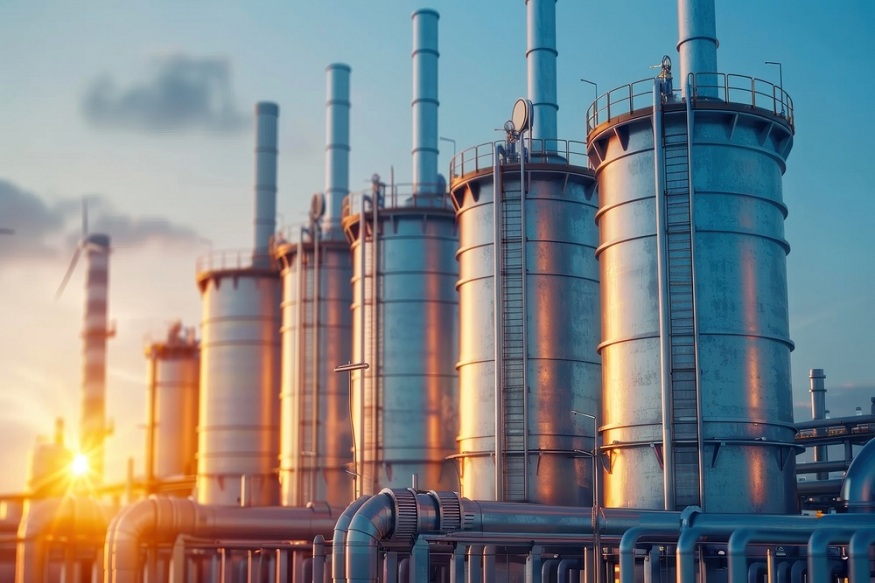
Chemical plants look boring from outside. Just pipes, tanks, and steam. Inside those tanks, though, molecules dance around forming new partnerships. Heat speeds things up. Pressure causes unique reactions. Catalysts facilitate chemical bonding.
Read More: How F&I Managers Can Build Trust Before Presenting Products
Refrigerators demonstrate chemistry in action. The foam insulation uses cyclopentane as a key ingredient. Companies like Trecora make this chemical to create little air bubbles in foam. Mixing cyclopentane and liquid plastic precisely creates a foam with millions of bubbles. The bubbles trap air, which insulates the refrigerator. The coldness of your milk is a result of chemistry freezing air in place.
Thousands of similar reactions happen daily. Long molecule chains tangle together forming tough plastics. Metal atoms share electrons with carbon to create steel harder than pure iron. Silicon and oxygen bond into glass clear as water but solid as rock. Miss the temperature by ten degrees or add chemicals out of order and you get expensive garbage instead of useful materials.
Manufacturing Makes Materials Useful
Raw plastic pellets don’t hold groceries. Sheet metal won’t keep rain off your head. Factories bridge the gap between materials and products. Watch a bottle factory operate and you’ll see organized chaos. Plastic pellets tumble into heating chambers. Screws move the molten plastic. Compressed air inflates soft plastic, like carnival balloon animals. Cold water solidifies things quickly. Finished bottles roll out faster than you can count them.
Metal forming uses brute force instead of heat. Presses weighing hundreds of tons squash steel into shape. Each press stroke sounds like thunder. The metal fights back, requiring incredible pressure to hold its new form. Sparks fly when cutting tools slice through steel beams. It’s loud, hot work that produces everything from paper clips to bridge beams.
Assembly Brings Everything Together
Car factories show assembly at its finest. The frame rolls in bare. Each station adds something new. Engines drop in from overhead. Doors arrive painted and ready. Workers bolt in seats. Robots spray adhesive in perfect lines. Twenty hours later, a complete car rolls away. Coordination makes this possible. Parts arrive exactly when needed. Too early and they pile up everywhere. Too late and expensive workers stand around waiting. Some factories receive deliveries every thirty minutes to keep things flowing.
Read More: The Current Needs of Advanced Aerospace Material Production
Conclusion
Raw materials travel strange paths becoming household items. Petroleum pulled from underground transforms into computer keyboards. Rocks dug from mountains become steel beams holding up your roof. The journey requires chemistry, physics, and logistics working together. The next time you get something from the fridge or relax on the couch, consider the journey and transformations that made it possible.