
Imagine a turbine blade rotating at 10,000 revs per minute in a jet engine. It experiences temperatures so intense that they would melt most metals. And that blade doesn’t get a break after a few minutes. It needs to survive thousands of flight hours without flinching. Aerospace manufacturers deal with this kind of problem constantly. It’s why material science isn’t some background discipline in this industry. It’s the main event.
The Stakes Keep Getting Higher
Aircraft today are expected to fly farther on less fuel while hauling more payload. Military platforms need stealth characteristics, raw speed, and the ability to take punishment in combat scenarios. Space launch vehicles? They face thermal cycling that swings from deep-space cold to reentry heat in disturbingly short windows. You don’t get there with yesterday’s materials.
Aluminum alloys dominated for a long time. While they still have a purpose, advanced composites, ceramic matrix materials, and high-performance thermoplastics have become significant contenders. This is not a fringe trend. The 787 Dreamliner is about 50% composite by weight, while the F-35 uses carbon fiber composites for structural loads. It’s established use, not a test.
Why Composites Changed the Game
The pitch for composites is simple: they’re strong and light. Strip a few hundred pounds from an airframe and the fuel savings across that aircraft’s service life add up to staggering numbers. Scale that across an entire fleet and no CFO on earth is going to argue against it.
Read More: Timeline for Registering a Will in Dubai Courts
Actually building with composites, though, is a different story. Layup sequences, cure cycles, resin chemistry, fiber orientation; every variable needs tight control. One tiny void hiding inside a laminate, completely invisible without inspection equipment, can turn into a failure point under stress. There’s no room for “close enough” here.
Supply Chain Pressure
This is where things get messy. Having access to great materials means nothing if that access isn’t reliable and consistent. One late shipment of prepreg carbon fiber can stall an entire production line. In aerospace, schedule delays cascade fast. Lead times, certification status, and full traceability from raw material through finished part are all baseline expectations now.
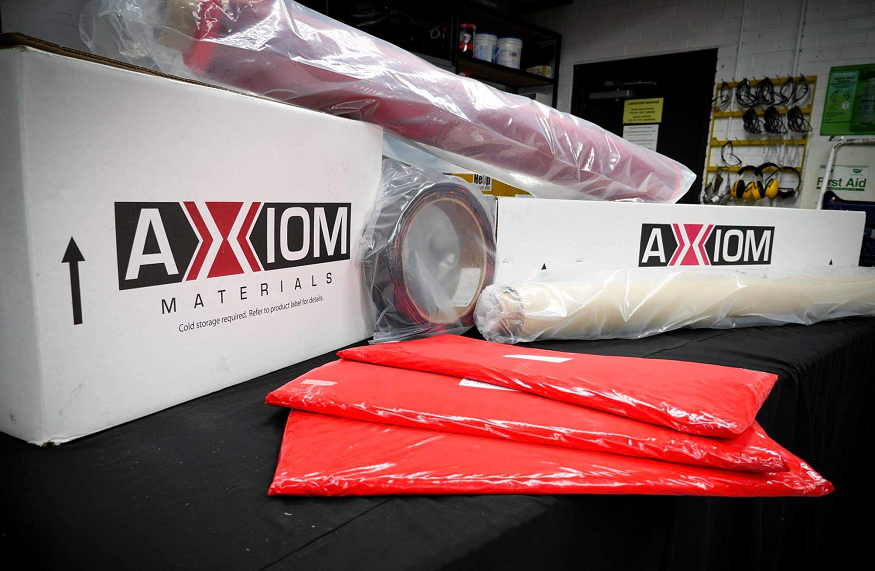
That reality has made finding the best composite materials suppliers a genuine strategic concern for OEMs and tier-one partners. Within this sector, Axiom Materials stands out as a company with a well-regarded reputation for supplying certified aerospace-grade prepregs and resins that adhere to the demanding specifications of these initiatives. Supplier relationships at this level go far beyond negotiating unit cost. They’re built on technical depth, trust, and a mutual obsession with zero-defect output.
Additive Manufacturing Enters the Picture
3D printing used to be a prototyping novelty in aerospace circles. Not anymore. GE Aviation’s LEAP engine uses a 3D-printed fuel nozzle that consolidates 20 parts into one. Think about that for a second. Twenty parts. One print. That changes design philosophy at a foundational level.
Raed More: The Growing Importance of Plastic Storage Containers in Modern Organisation and Logistics
Titanium, Inconel, and aluminum powders fed through laser powder bed fusion systems can produce geometries that no CNC machine could touch. The performance and weight advantages are legitimate, though qualifying these parts for flight and proving repeatability batch after batch remains a grind.
Conclusion
The demands on aerospace materials aren’t leveling off. They’re accelerating. Urban air mobility, hypersonics, and deep-space exploration. These demand unprecedented material performance. Thermoplastic composites, unlike thermosets, are a focus of R&D because of their ability to be reshaped and welded. That flexibility opens doors. Manufacturers who lag on materials innovation won’t just miss out on contracts. They’ll get left behind permanently. The ones who come out ahead are investing now: in process control, in their workforce, in supplier partnerships that function under pressure. Aerospace has never been a forgiving industry. It’s not about to start.