When you think about making your home warmer during cold weather and cooler during warm weather, you think of insulation. People believe that the greater the insulation required, the more they should install. Because of this, the walls become thicker and the living spaces tend to be smaller.
Why Does Insulation Thickness Matter?
For a very long time, this was the only way of increasing insulation. The thing is that conventional insulation is based on the principle of air entrapment. Therefore, the more air there is, the better the insulation works. Anyone who has insulated their interior walls will understand this.
To begin with, window sills will narrow, and outlets will need to be moved. Next, the finished basement will look even smaller. When space is at a premium in compact urban residences, every inch is valuable. Losing two-three inches of space from each exterior wall does not seem like a big deal until you calculate all the space you will lose.
That said, there is something here that you might find quite interesting. Nowadays, there are special types of insulation that are thinner, but they perform as well, or even better, than traditional insulation.
How Thinner Insulation Works
The performance of insulation is measured by its R-value, which measures the ability of the material to resist heat flow. The greater the R-value, the better the material insulates. You can describe it as the ability to keep you warm while wearing a thinner coat.
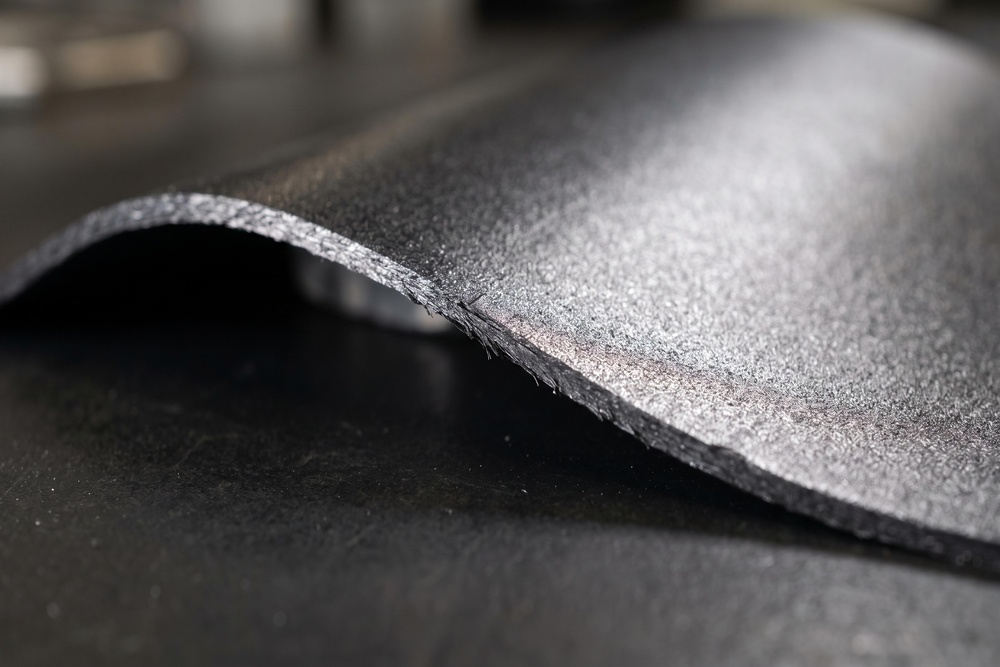
Ordinary white foam boards do a great job of reducing conduction of heat, but a considerable part of the heat is released as radiation. US-based producer of expandable polystyrene Epsilyte, produces a product called graphite insulation (epsilyte.com/eps-bead-products/product-types/graphite-eps), which has graphite particles mixed with polystyrene beads. Graphite particles help to reflect and absorb the radiant heat that usually passes through the foam. DuraLyte, a graphite product of Epsilyte, has a greater R-value per inch compared to ordinary white foam, so builders can use thinner boards while still satisfying the requirements of energy codes.
What Are the Benefits?
It starts with the additional living space. If you are planning to finish a basement or insulate the interior side of an exterior wall, using thinner boards will help you keep the existing floor space.
Read More: How to Spot a Promising Storage Unit from Photos Alone in Texas
Your energy costs will drop too because the heat will remain where it should, meaning your furnace will not need to run as often in January, and your AC can take a break in August. Those living in states like Minnesota with long and cold winters know how significant the savings can be. People living in hot states like Texas will receive the same benefits in summer.
Polystyrene boards are light and easy to cut, which helps to save time and money while installing them. It also handles moisture well, allowing you to use it in basements and under concrete slabs. Polystyrene maintains its R-value, unlike other foams.
Is It Suitable for Your House?
You can find approximate insulation information by consulting the Department of Energy’s recommendations for your climate zone. Still, it is best to have an expert from the local insulation contractor company inspect it, as many factors must be considered, such as your house’s age, where the insulation is located, and budget limits.
Conclusion
Thin insulation usually costs a bit more compared to fiberglass and ordinary foam. But when you take into account additional space and lower heating and cooling costs, it becomes evident why it is chosen by so many homeowners. For most of them, it is enough reason to choose it.
Read More: From Wind Tunnel to Working Vehicle: Creating Better Test Components